
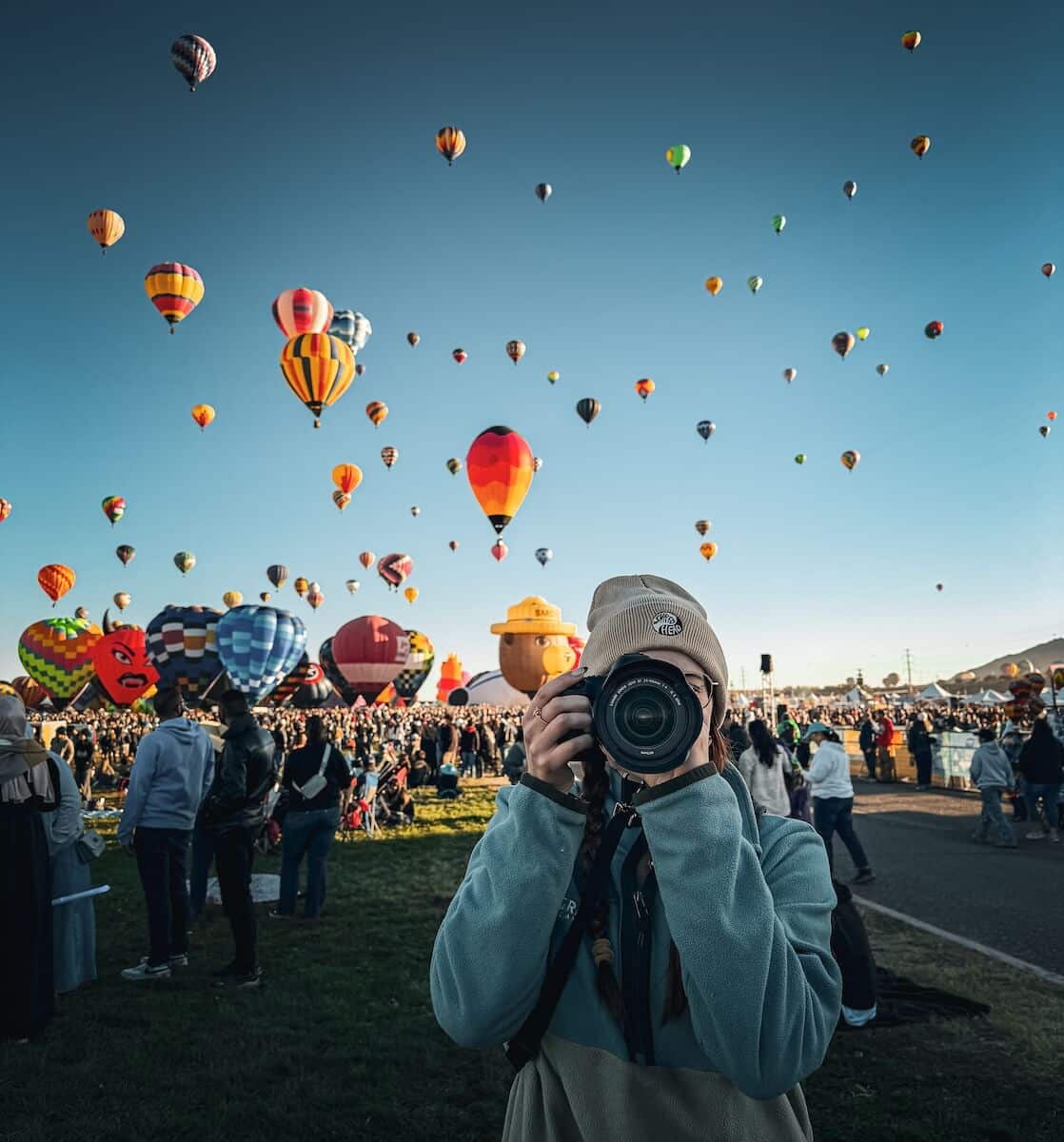
The Most Photogenic Destinations in the World (According to a Travel Photographer)
This website contains affiliate links from trusted partners. If you purchase through a link on this site, I may earn a commission at no extra cost to you. As an Amazon Associate, I earn from qualifying purchases. See my Privacy Policy and Disclosure for more information.
After photographing many iconic destinations around the world, you start to notice something most travelers don’t.
Some places are undeniably beautiful, but unpredictable on camera. Others, though, have a visual rhythm that just works. The light hits at the right angle. The colors separate naturally. The landscape offers depth, texture, and scale without forcing it.
These are the places travel photographers return to again and again.
They’re not just visually impressive in person, they consistently translate into strong images.
This list is a collection of destinations that photograph exceptionally well, curated through the lens of a travel photographer.
These are all of the destinations around the world that made my jaw drop and my Lightroom gallery smile!
It’s not about popularity or hype. It’s about places where light, composition, and atmosphere come together in a way that makes photography feel intuitive.
So, if you care about creating images that do more than document where you’ve been, these are the destinations that deliver.
Why Photogenic ≠ Beautiful
Before we get started, this isn’t going to be your typical “here are the most beautiful destinations in the world”.
A destination can be breathtaking in real life… and still be a nightmare to photograph (don’t worry, I’ll give you a list of those at the end).
This is because beauty and photogenic quality aren’t the same thing. Some places impress you emotionally when you’re standing there, but struggle to translate through a lens.
Photogenic destinations, on the other hand, consistently deliver strong images. They work with light instead of fighting it.
They offer natural contrast, visual depth, and texture that give photographs a sense of place and atmosphere. These are the locations where wide shots feel balanced, details feel intentional, and even simple moments look compelling.
This list isn’t based on postcard clichés or internet hype. It’s curated through the lens of a real travel photographer, focusing on destinations that repeatedly produce powerful images, not just impressive experiences.
What Actually Makes a Destination Photogenic?
While styles and subjects vary, truly photogenic destinations tend to share a few key qualities.
These are the elements that help locations translate beautifully through a camera lens not just in real life, but in photographs.
- Light: Directional, soft, or dramatic light that adds depth and dimension instead of flattening the scene
- Color palette: Natural contrast or harmonious tones that separate subjects visually
- Depth & scale: Clear foreground, midground, and background that create a sense of space and size
- Texture: Stone, water, clouds, foliage, or architectural detail that adds visual interest
- Consistency: Places that photograph well across different weather conditions, seasons, and times of day
These factors are why the destinations below consistently deliver strong images, and why they stand out through the lens of a travel photographer.
With that being said…let’s get started on the most photogenic destinations I’ve photographed as a travel photographer.
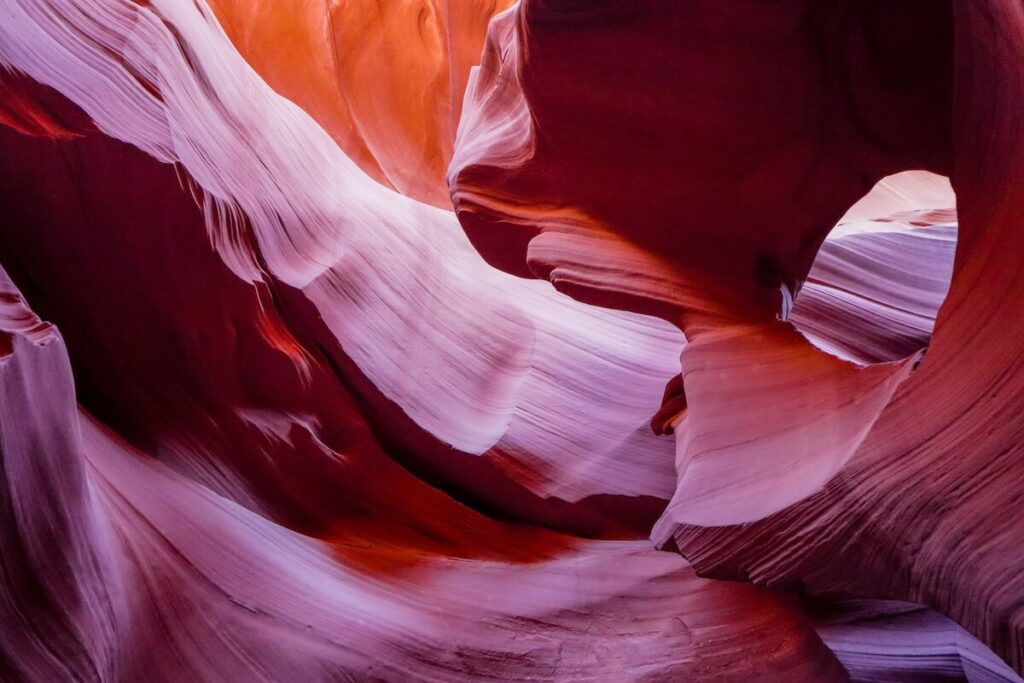
1. Antelope Canyon, Arizona
Antelope Canyon is one of the most visually striking natural spaces on Earth. Its sculpted sandstone walls create flowing lines, curves, and textures that almost feel abstract.
What makes it truly photogenic is the light. As the sun filters through narrow openings above, it creates soft beams and gradients that transform the canyon throughout the day. Every step reveals a new composition.
This is a rare place where details matter just as much as wide shots, making it perfect for photographers who love texture, shape, and minimalism.
This was one of the hardest (and most rewarding) places I’ve ever photographed! It took my breath away…and my camera’s!
Best time to photograph: Midday (light beams seasonally, late spring–summer). I preferred lower Antelope Canyon for photography if light beams aren’t an option.
Best lenses: 24–105mm, 16–35mm for wider curves, but be careful when changing lenses, tours are fast paced and it’s dusty!
Accessibility: Guided tours only, moderate walking, no tripods allowed (sad face)
Pro tip: Watch your highlights — the light changes fast and blows out easily
Read More — Antelope Canyon Camera Guide | Antelope Canyon Phone Guide
2. Glacier Bay National Park, Alaska
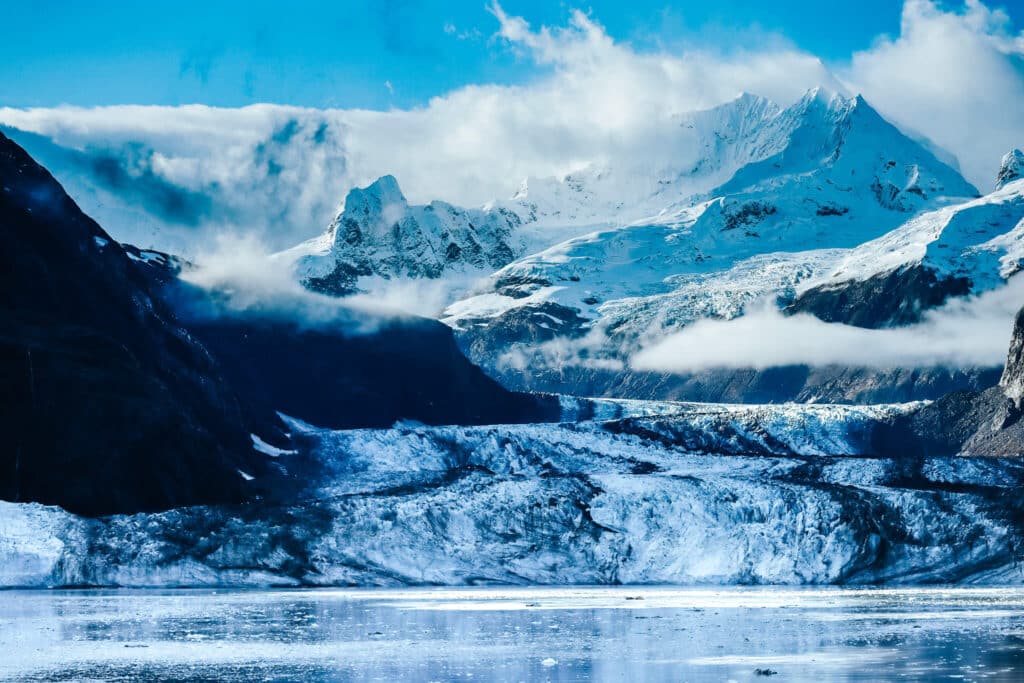
Glacier Bay is pure photographic drama. Massive glaciers, jagged mountains, floating ice, and moody skies combine to create scenes that feel powerful and untamed.
Unlike many destinations, Glacier Bay actually photographs better in overcast conditions. Soft light brings out the blues in the ice, the texture of glaciers, and the scale of the landscape without harsh contrast.
It’s a destination where scale becomes the story and where patience is often rewarded with unforgettable moments.
I went here on a cruise with my grandfather in a wheel chair and we nerded out over photography for hours! Worth every penny.
- Best time to photograph: Overcast days, early morning or late evening light
- Best lenses: 24–105mm, 70–200+mm (wildlife + scale shots)
- Accessibility: Primarily accessed by boat or cruise
- Pro tip: Soft light brings out glacier blues far better than harsh sun. We went in October and it was naturally overcast with some occasional sun.
Read More — Alaska Cruise Photography Guide
3. Banff National Park, Canada
Banff is one of the most consistently photogenic regions in the world. Even a tourist with an old phone could get an epic photo here.
Turquoise glacial lakes, mirror-like reflections, snow-capped peaks, and clean compositions make it accessible for beginners while still inspiring professionals.
It’s a benchmark destination (aka the kind of place that shows why certain landscapes photograph so effortlessly)
- Best time to photograph: Sunrise for lakes, fall for color
- Best lenses: 16–35mm for landscapes, 70–200mm for peaks
- Accessibility: Many lakes and viewpoints are easily accessible
- Pro tip: A polarizer helps with reflections, but don’t overuse it
4. The Sacred Valley, Peru
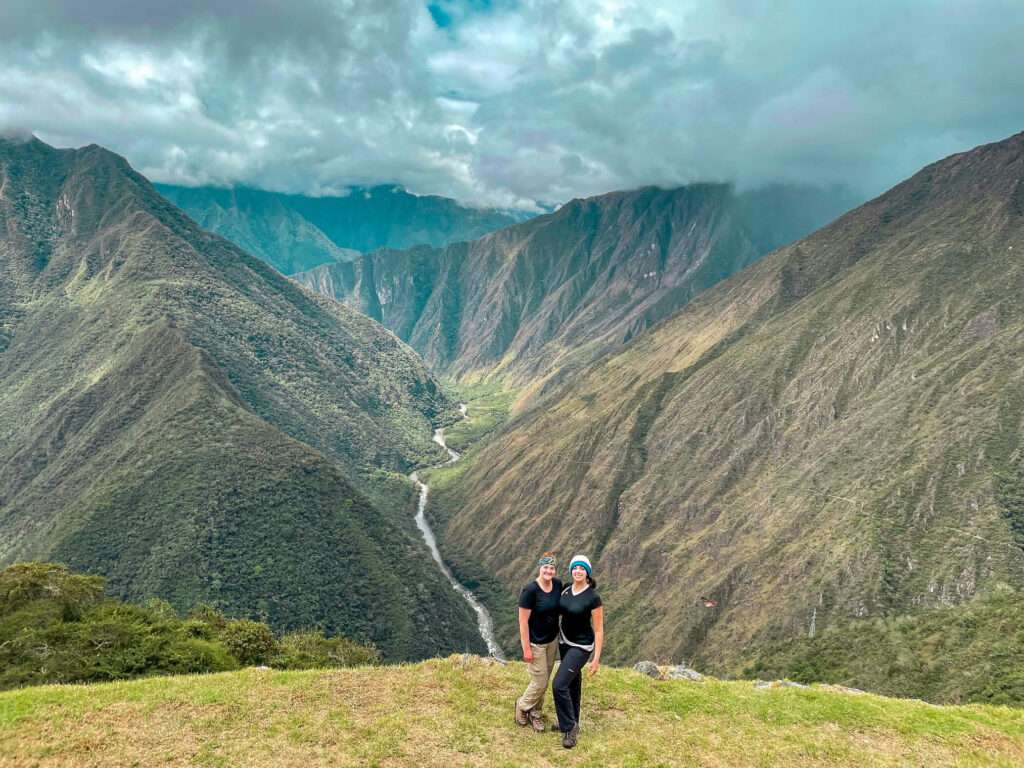
The Sacred Valley is one of those rare places where photography feels effortless… not because it’s simple, but because the landscape does so much of the work for you.
Rolling valleys, towering Andean peaks, winding rivers, terraced hillsides, and centuries-old villages create natural layers that instantly add depth and scale to your images.
What truly sets the Sacred Valley apart is its ability to support visual storytelling. You’re not just photographing landscapes — you’re capturing daily life, culture, movement, and place all in the same frame.
For travel photographers, this balance of scenery, culture, and light is what makes the Sacred Valley consistently photogenic.
- Best time to photograph: Early morning and late afternoon for soft, directional light
- Best lenses: 24–70mm for versatility, 70–200mm for compressing mountain layers
- Accessibility: Very accessible by road; some ruins and viewpoints require short walks. Or, you can be like me and trek 7+ days (over 50 miles!) through it and then climb to sleep on the edge of a cliff. The choice is yours!
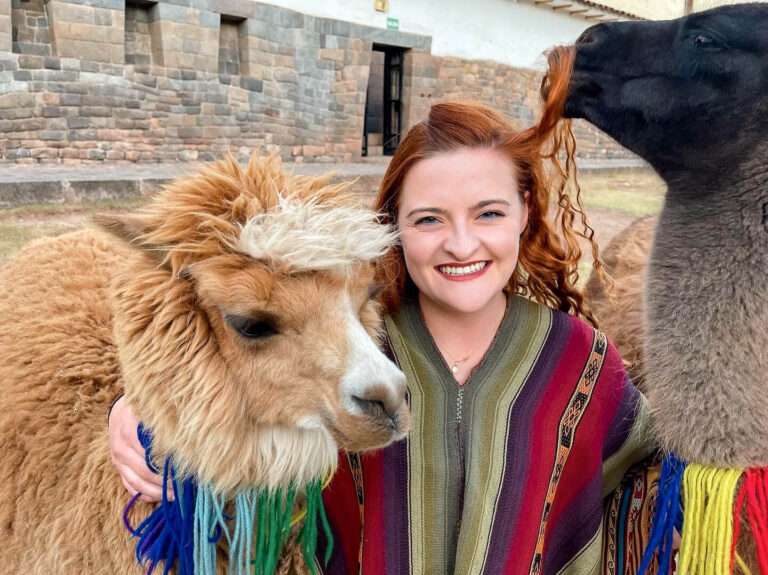
- Pro tip: Include people, llamas, or village elements to convey scale and story
Bonus Peru Location: Lake Humantay was another location in Peru that absolutely stole my heart. Seriously. I still dream about it as a photographer.
Read More — Peru Bucket List | Skylodge Adventure Suites Guide
5. Arches National Park, Utah
This might be controversial because it is not on any list that you will see on the thousands of other boring listicles.
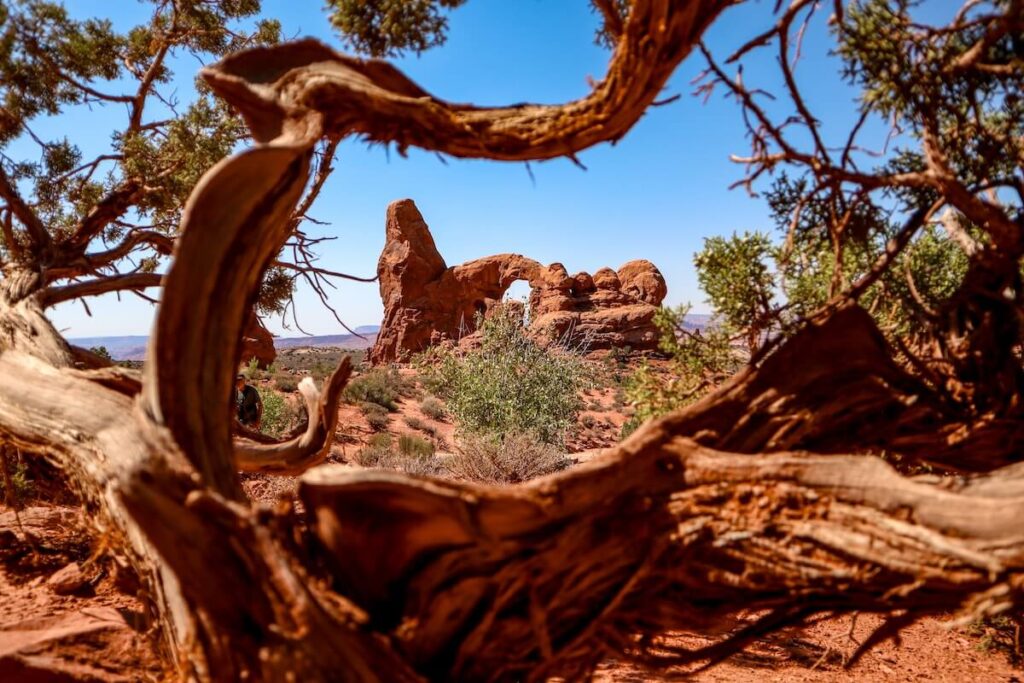
But Arches National Park feels like it was designed for photographers. I geeked out so hard!
It has natural stone arches act as literal frames. Red rock contrasts beautifully with blue sky and soft desert light. At sunrise and sunset, shadows add depth and dimension that elevate even simple compositions.
This is a destination where composition becomes intuitive, and where small shifts in position can completely transform an image.
I also like the accessibility. Some photo point are simply pull off from the road, others are short hikes, others are full on day hikes (like Devils Garden) with the possibility to get lost. It’s perfect for all photographers.
- Best time to photograph: Sunrise and sunset
- Best lenses: 16–35mm for arches, 24–70mm for details
- Accessibility: As I said, any viewpoints are roadside with short walks, or you can go full-on adventuring!
- Pro tip: Use arches as natural frames to add depth
Read More — Arches Photography Guide | Adventurer’s Guide to Arches National Park | Notable Arches Ranked | Top Hikes in Arches
6. Bali, Indonesia
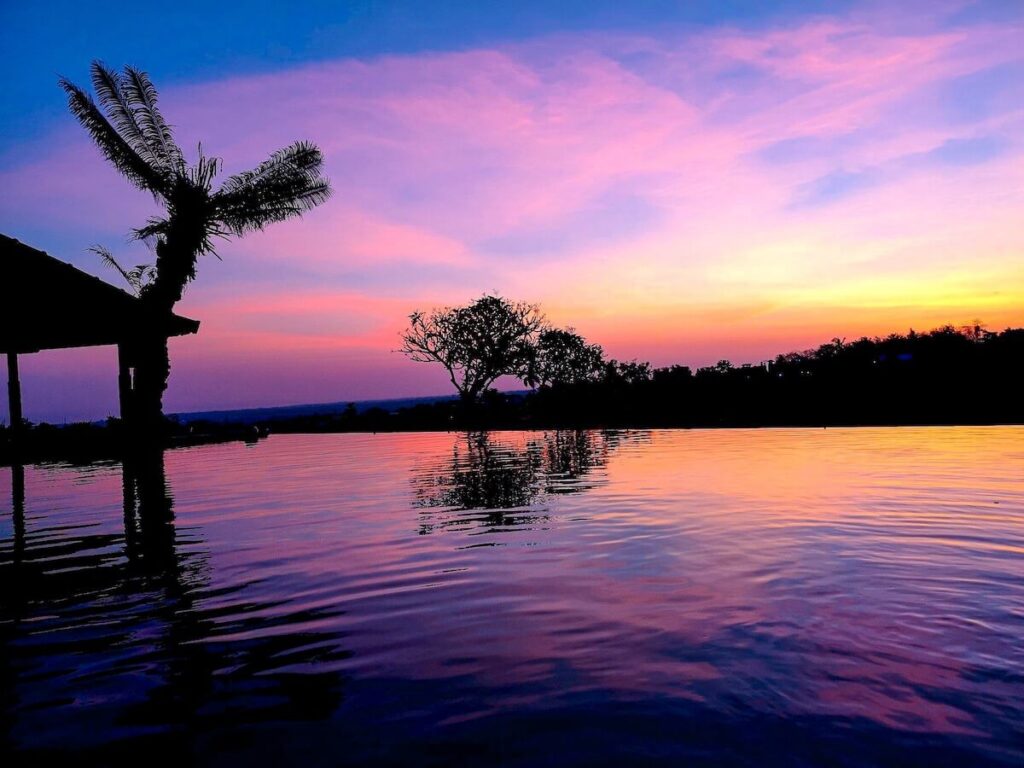
Okay. I have to put overdone one in here, but it deserves to be on this list. I’m pretty sure this entire island is one giant instagram filter.
Bali’s photogenic magic comes from layers. Rice terraces, jungle canopies, temples, water features, and misty mornings all stack together to create depth and harmony.
The tropical light is soft and forgiving, especially in the early morning and late afternoon. Movement adds life and storytelling to images.
Bali isn’t just visually pleasing; it’s visually balanced, which is why it consistently photographs so well.
I would, however, encourage you to get creative and think outside the box. It’s over photographed and you don’t want the same photograph that a hundred influencers have. Challenge yourself!
- Best time to photograph: Sunrise and golden hour
- Best lenses: 24–105mm, 35mm prime for storytelling
- Accessibility: Very accessible, though some temples require stairs
- Pro tip: Morning mist and humidity add atmosphere…embrace it
Read More — Best Bali Adventure Tours | Bali Bucket List | Flower Bath in Bali
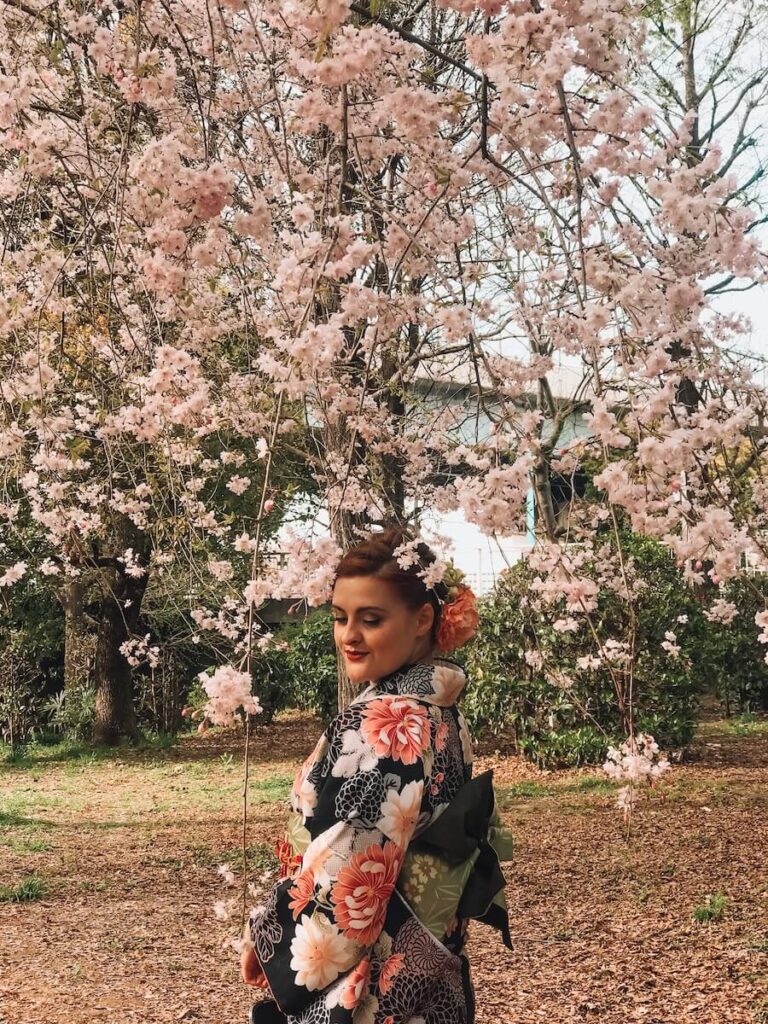
7. Cherry Blossom Season in Japan
Cherry blossom season in Japan is one of the most fleeting and visually poetic photography experiences in the world.
For a brief window each spring, parks, rivers, temples, and city streets are transformed by soft pink and white blooms that diffuse light and add an almost dreamlike atmosphere to every scene.
What makes sakura season especially photogenic is how naturally it complements composition.
Blossoms create built-in frames, foreground interest, and layers that add depth without overpowering the subject.
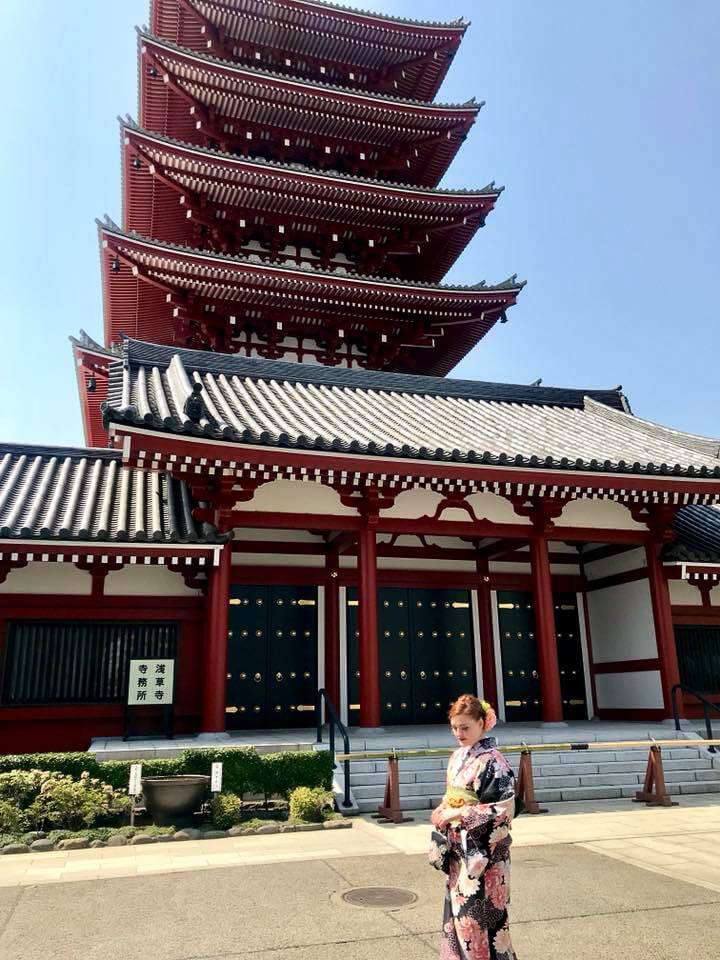
I had to do some self-photography here because I actually decided to dress up in a kimono with my best friend.
Also, these photos were taken with an old iPhone, which proves that you don’t need fancy gear while traveling to take stunning pictures.
- Best time to photograph: Early morning or overcast days during peak bloom
- Best lenses: 35mm or 50mm prime for storytelling, 24–70mm for versatility
- Accessibility: Extremely accessible; blossoms appear in parks, streets, and temple grounds
- Pro tip: Use blossoms as foreground elements to frame people, architecture, or pathways
Read More — Kimono Guide in Tokyo | Japan Bucket List
Note that I was in Tokyo, but there are several places around Japan. Here are a few to get your wanderlust flowing.
- Kyoto – Temples, canals, and traditional streets create layered, timeless compositions
- Tokyo (Ueno Park & Meguro River) – Dense blossoms with urban contrast and reflections
- Osaka (Osaka Castle Park) – Historic architecture framed by wide rows of cherry trees
- Mount Yoshino (Nara) – One of Japan’s most famous sakura landscapes with thousands of trees
- Himeji Castle – White castle walls paired with soft pink blossoms (iconic and photogenic)
- Hiroshima (Peace Memorial Park) – Blossoms lining the river with reflective compositions
- Kanazawa (Kenrokuen Garden) – Classic garden design with controlled, elegant framing
8. Milford Sound, New Zealand
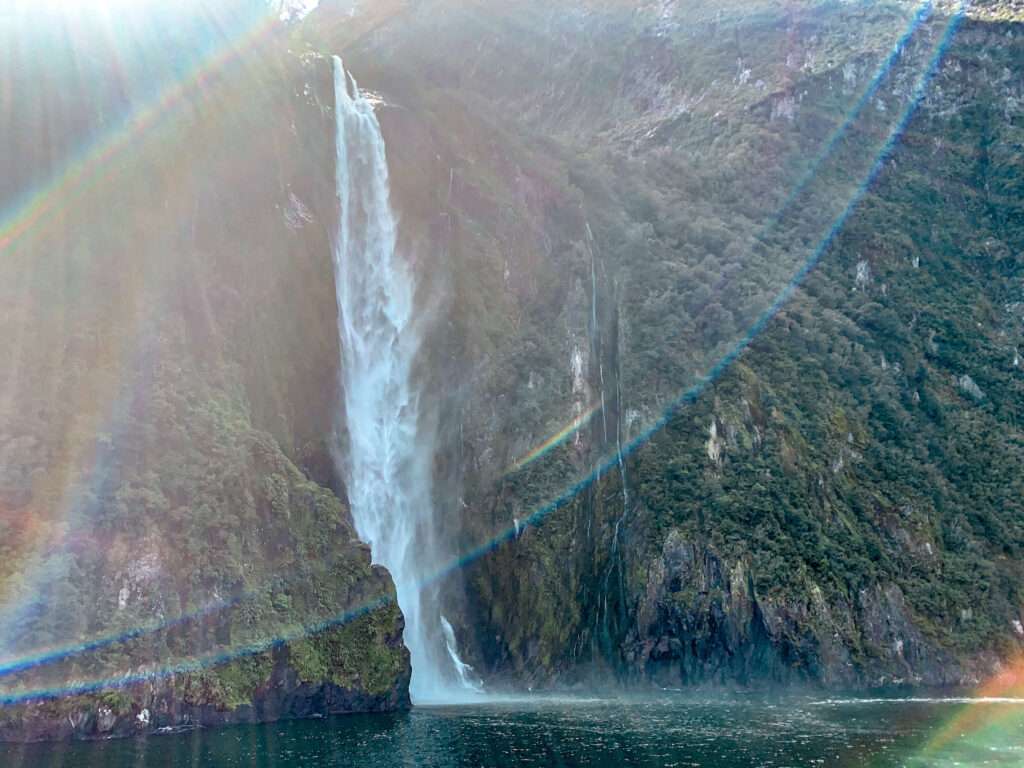
Milford Sound is cinematic in the truest sense of the word.
Towering cliffs rise straight from the water. Waterfalls appear after rainfall. Mist wraps everything in mood. Reflections create symmetry that feels almost unreal.
This is one of those rare places where “bad weather” actually improves your photos. Rain and clouds add drama, scale, and emotion that clear skies simply can’t replicate.
I would 100% recommend getting a boat tour to get the best perspectives in your photos.
- Best time to photograph: Rainy or overcast days (yes, really)
- Best lenses: 16–35mm for scale, 24–70mm for waterfalls
- Accessibility: Accessible by road and boat tours
- Pro tip: Reflections are strongest when the water is calm
Read More — New Zealand Bucket List
9. Albuquerque International Balloon Fiesta, New Mexico
I know this really isn’t a destination, but I’m putting it in here anyway. Cause…dang!
The Albuquerque International Balloon Fiesta is one of the most visually spectacular events in the world.
At sunrise, hundreds of hot air balloons inflate and lift off at once, filling the sky with color, shape, and motion. The scale is overwhelming, and incredibly photogenic.
I was like an hungry kid in a candy shop.
What makes this event special is its versatility. You can shoot wide scenes, intimate details, silhouettes, reflections, and candid moments all in the same morning.
It’s a masterclass in event-based visual storytelling.
- Best time to photograph: Sunrise during mass ascension
- Best lenses: 16–35mm for wide scenes, 70–200mm for balloon details, I shot a balloon on top of the moon with a 400mm lens.
- Accessibility: Very accessible, flat walking areas
- Pro tip: Don’t just shoot the sky, capture inflation, crews, and crowd reactions. Here are 13 unique shots you can get at the Balloon Fiesta.
10. Yosemite National Park, California
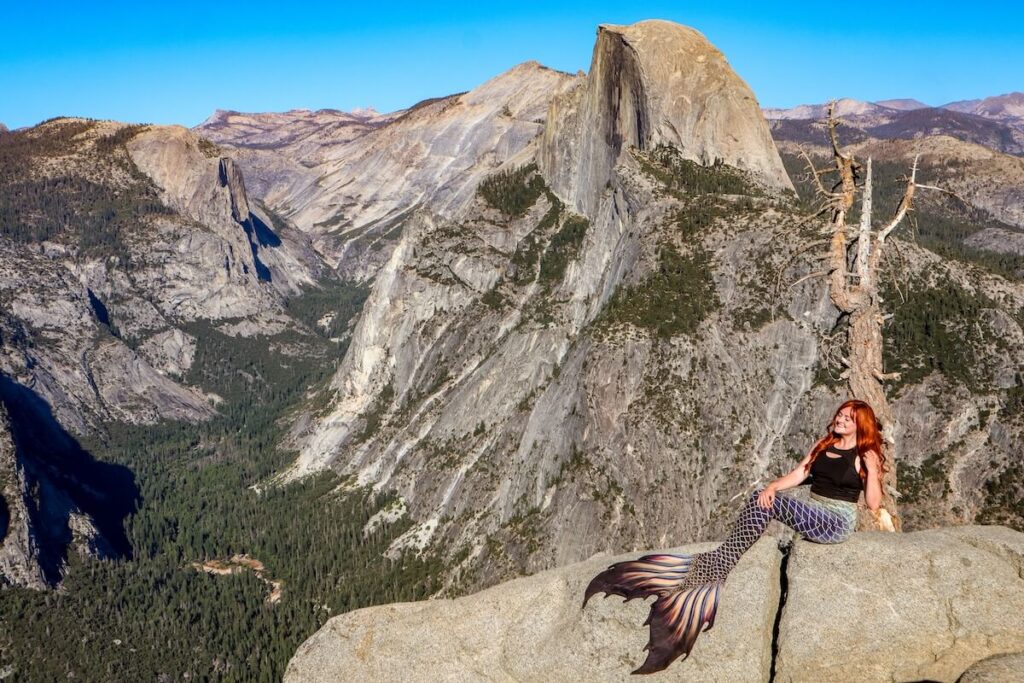
I really thought Yosemite was overhyped… until I was standing at the top of Half Dome with tears in my eyes.
Yosemite’s granite walls, waterfalls, and wide valleys create some of the most iconic compositions in landscape photography, but it still rewards creativity.
Light funnels through the valley in dramatic ways, especially during sunrise and sunset. Seasonal changes, from snow to waterfalls to fall color, completely transform familiar scenes.
This is a destination where learning to see beyond the postcard leads to your strongest images.
Similarly to Bali, Yosemite is over-photographed, so test yourself to get shots that are unique!
- Best time to photograph: Sunrise, sunset, and winter months
- Best lenses: 16–35mm for landscapes, 70–200mm for details
- Accessibility: Many iconic viewpoints are roadside. Others are NOT and require some extreme hiking. You do you, boo.
- Pro tip: Snow and storms create more dramatic images than clear days. Also, if you can stomach long hikes, do it! This thins the crowds and offers different shots than the normal tourist that pulls off at Tunnel View.
Read More — Half Dome vs Angels Landing
11. Paris, France
I know, I know, it’s popular. But, dang, does it have some great photography opportunities!
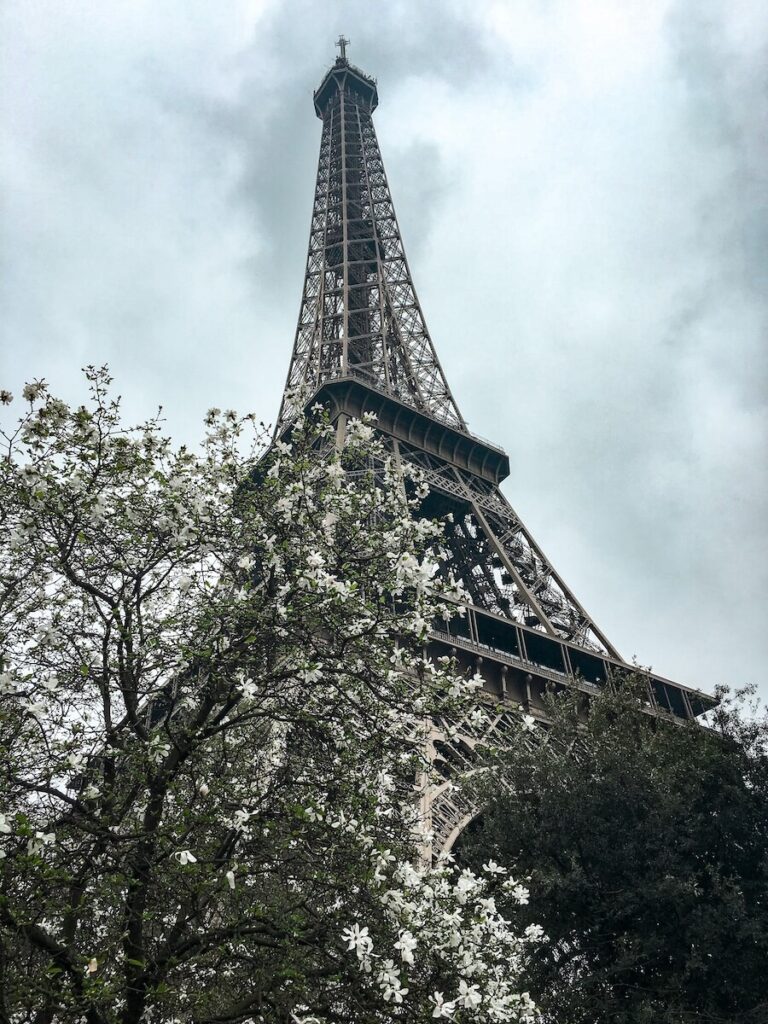
Paris is proof that cities can be just as photogenic as landscapes.
Its architecture, symmetry, and repeating patterns make composition effortless. Streets curve naturally. Bridges frame scenes. Reflections and silhouettes shine during blue hour.
Rain, fog, and low light only enhance the mood, making Paris one of the most forgiving and rewarding cities to photograph.
I’ve photographed Paris multiple times (even just with a phone) and have never been disappointed.
- Best time to photograph: Blue hour and early morning
- Best lenses: 35mm or 50mm prime, 24–105mm
- Accessibility: Extremely walkable city
- Pro tip: Rain adds reflections and mood, so don’t put the camera away
- Bonus tip: Paris is crowded. When in doubt, shoot up!
Read More — France Bucket List
12. Florence, Italy
I have been to (and lived) in multiple European cities!
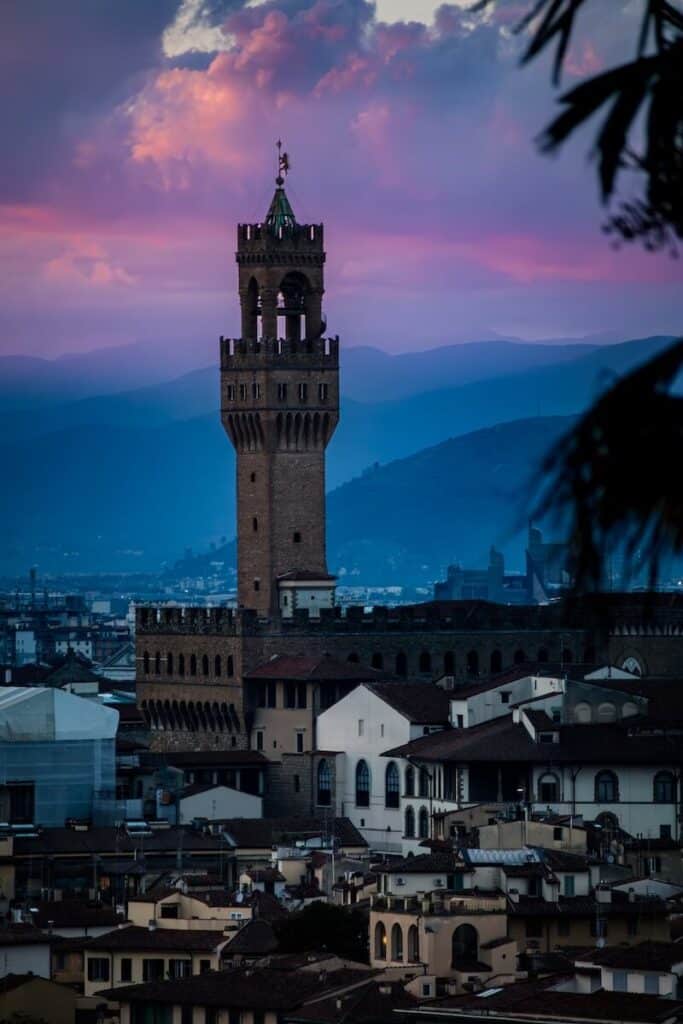
Florence photographs beautifully because of its texture and light.
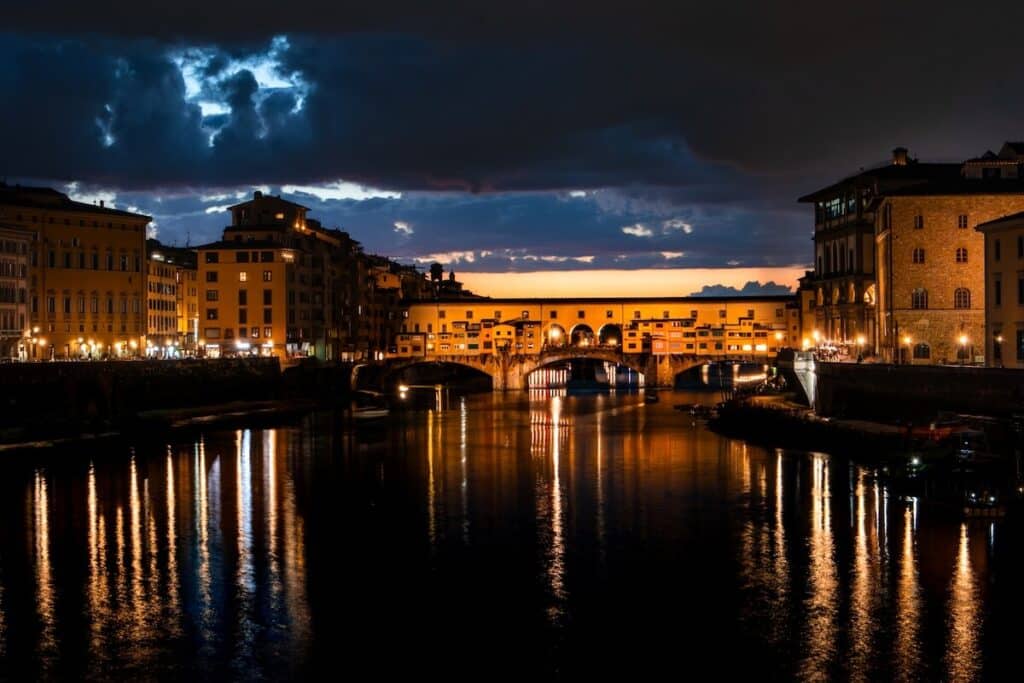
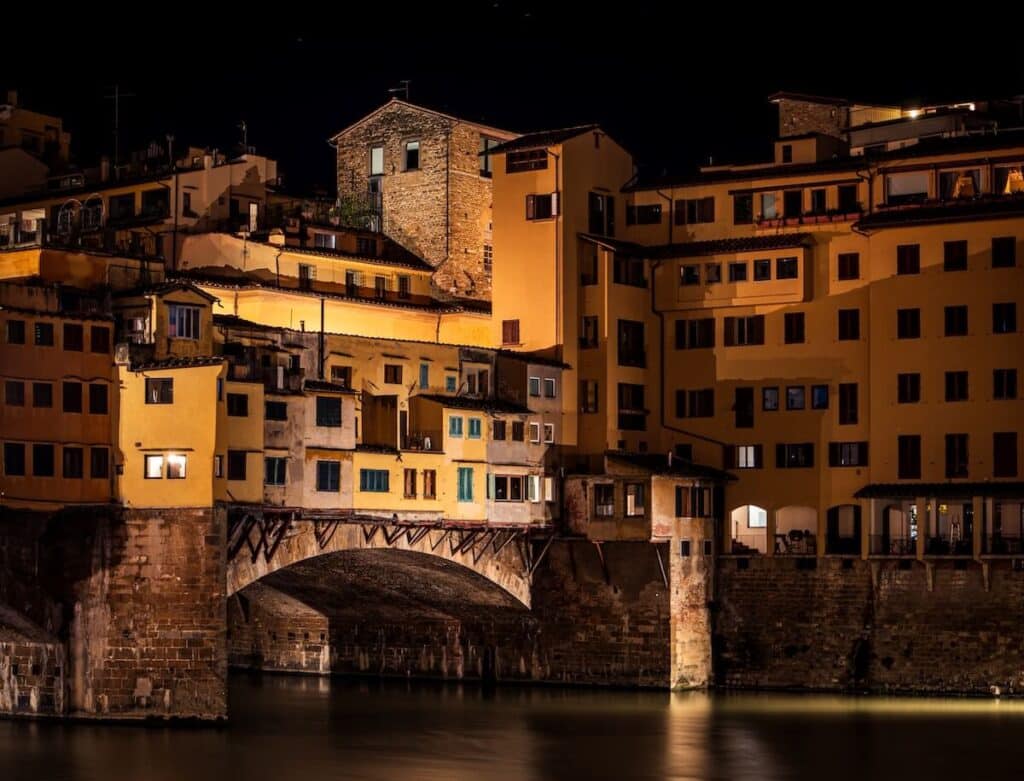
Warm stone buildings glow during golden hour. Rooftops layer into the distance. Narrow streets create leading lines and natural frames.
Plus, it’s close to Tuscany, so you can take day trips to photograph the Italian wine countryside.
- Best time to photograph: Golden hour into blue hour
- Best lenses: 24–105mm, 35mm prime
- Accessibility: Walkable, but some viewpoints require uphill climbs
- Pro tip: Rooftop viewpoints work best at dusk, not midday
- Bonus tip: If you are going to go for the iconic Piazzale Michelangelo, get there earlier than you think and go at sunrise! It’s far from the city center and very crowded at sunset, but SO worth it for the photos.
Read More — Florence Photography Guide | Most Photogenic Places in Italy
Bonus: 5 Underrated Photogenic Destinations
These destinations may not always make mainstream lists, but photographers quietly love them.
Here are the runner-ups!
- Lofoten Islands, Norway – Arctic light, dramatic peaks, and rugged coastlines
- Cappadocia, Turkey – Surreal rock formations and hot air balloons at sunrise
- The Faroe Islands – Moody cliffs, waterfalls, and minimalist landscapes
- Chefchaouen, Morocco – Color harmony, texture, and simple compositions
- Big Sur, California – Fog, cliffs, and cinematic coastal drama
Iconic & Beautiful Places That Are a Nightmare to Photograph
Not every famous destination is camera-friendly.
Some places are stunning in real life (emotionally powerful, historically important, or culturally iconic) but incredibly difficult to translate into a compelling photograph.
Harsh light, overwhelming crowds, limited angles, or flat compositions can turn a dream location into a frustrating shoot.
Here are a few places that I’ve photographed that are undeniably beautiful, but often photographic nightmares, even for experienced photographers.
1. Times Square, New York City
Why it’s iconic:
Electric energy, neon lights, global symbolism.
Why it’s a nightmare:
- Visual overload with no clear focal point
- Harsh mixed lighting (LEDs, streetlights, screens)
- Crowds block clean compositions
- Photos often look chaotic instead of intentional
It’s exciting to experience, but incredibly hard to photograph in a way that feels refined or timeless.
I took some photos here, and didn’t even edit them. I hated all of them.
2. The Colosseum, Rome
Why it’s iconic:
Ancient history, architectural grandeur.
Why it’s a nightmare:
- Surrounded by busy streets and tourists
- Hard to isolate without distractions
- Harsh midday light for most visitors
- Difficult to show scale without people blocking the frame
You feel the history, but capturing that feeling is another story.
I loved it, but it is very crowded and chaotic. Therefore, not awesome for travel photography.
3. Niagara Falls
Why it’s iconic:
Powerful, massive, unforgettable in person.
Why it’s a nightmare:
- Mist obscures detail
- Limited vantage points
- Safety railings dominate compositions
- Photos often fail to convey the true scale
It’s spectacular to stand near, and surprisingly underwhelming on camera.
4. The Mona Lisa (Louvre, Paris)
Why it’s iconic:
One of the most famous artworks in the world.
Why it’s a nightmare:
- Crowds are unavoidable
- Glass reflections ruin clarity
- No space to compose thoughtfully
- Photos rarely communicate the experience
It’s a cultural icon, but photographing it meaningfully is nearly impossible.
My exact words were, “Wait…that’s it?!”
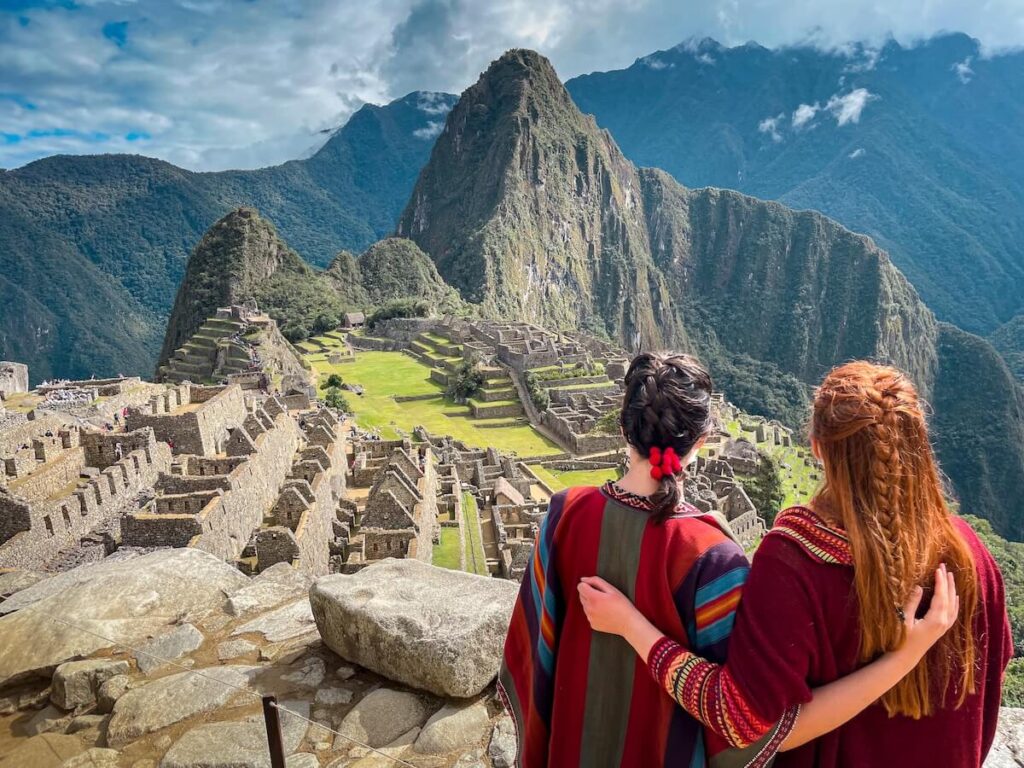
5. Machu Picchu, Peru
Why it’s iconic:
Historic, mystical, bucket-list legendary.
Why it’s a nightmare:
- Extremely limited shooting angles
- Strict movement paths and time windows
- Heavy crowds funnel everyone into the same composition
- Weather often obscures the classic view
It’s awe-inspiring in person, but most photos end up looking identical.
Plus, I hadn’t showered for 8 days when I went and was crying because I had to walk all the way down to ticketing, then all the way up.
Meanwhile, there’s an influencer dressed all in fur that took the train and walked two steps having a mini photo shoot annoying everyone.
Personally, I preferred Wiñay Wayna over Machu Picchu for photography. It’s almost the same, no crowds, and stunning views of the valley plus a waterfall!
Final Thoughts: Choosing Destinations Through a Photographer’s Lens
The most photogenic destinations in the world aren’t always the loudest, the trendiest, or the most talked about.
They’re the places where light behaves predictably, where landscapes offer depth and texture, and where atmosphere does as much work as the subject itself.
For travel photographers, choosing where to go isn’t just about checking places off a list. It’s about understanding how a location translates through a lens.
Some destinations reward patience and observation. Others deliver drama and color the moment you arrive. Both have value, as long as you know what you’re chasing.
Whether you’re planning a once-in-a-lifetime trip or building a photography bucket list, think beyond what’s famous and focus on what consistently photographs well.
Chase light. Pay attention to layers. Let weather, texture, and mood guide your choices.
Because when you choose destinations that work with your camera, the images you come home with won’t just show where you’ve been, they’ll tell the story of how it felt to be there.
Do you have a destination that needs to be on this list? Subscribe and send an email and a photograph to be featured!
More Photography Inspiration
25 Travel Photography Mistakes That Are Wrecking Your Shots (And How to Fix Them)
How to Avoid Burnout in Travel Photography and Actually Enjoy the Moment
How to Become a Travel Photographer
How to Edit Adventure Photos That Hit You Right in the Wanderlust
More Adventure Travel Resources
Adventure Bucket List Resources
I am here to help your travel adventures go as smoothly as possible! That way you can check off that bucket list with minimal complications and spending!
SHOP – Shop the best adventure gear and essentials on my Amazon Storefront – handpicked by a full-time adventuring mermaid!
AIRFARE – There are a few I use, but Aviasales is normally my go-to for flights without any extra fees or markups.
ACCOMMODATION – My two favorites are Booking.Com for hotels and VRBO for rentals.
GUIDED TOURS – If you are looking for quick and easy tours, check out GetYourGuide and Viator.
MULTI-DAY TOURS – For more in-depth tours that span several days, TourHub has many great options with reputable travel companies. Use my code (ALEXANDRA1GURU) for up to 5% off your next bucket list adventure.
TRANSPORTATION – You can either rent a car yourself with Discover Cars or do a guided bus tours like Big Bus Tours.
SIM CARDS – Avoid expensive roaming charges with an eSim card with Airalo. Personally, I prefer wifi boxes, and recommend WiFi Candy (get 10% of with the code THEBUCKETLISTMERMAID).
TRAVELER’S INSURANCE – Check out VisitorsCoverage for affordable insurance plans. If you are a nomad or remote worker, I would check out SafetyWing.
SEE MORE – Adventure Resources | Photography Resources
See Some Photos You Like?
Check out my full photography page for a full gallery and prices.

My ant loves to play with it.
i use it never when i’m in my nightclub.
My co-worker Mohamed has one of these. He says it looks brown.